
House Clearance Croydon — Health & Safety Policy
Purpose: This Health and Safety policy sets out the commitments and procedures for a professional house clearance and rubbish removal operator working across its service area. The policy applies to all staff, contractors and sub‑contractors engaged in house clearance, waste clearance service and related rubbish company activities. It reflects a commitment to protecting people, property and the environment while delivering efficient waste collection, junk removal and clearance tasks. Our priority is safe, compliant work.Scope and Objectives
This policy covers site assessment, risk control, waste segregation, transport, equipment use and emergency response. It applies to residential and commercial house clearance jobs, bulk rubbish collections and local rubbish company operations within the defined service area. Objectives include preventing injury, minimising environmental harm, ensuring legal compliance and maintaining clear communication with property owners and third parties.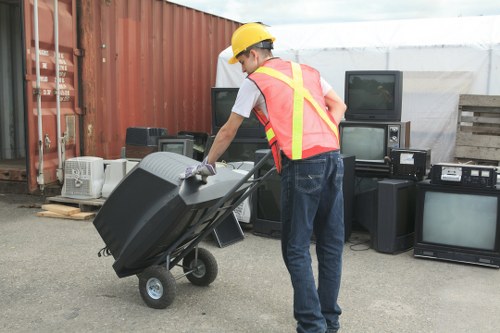 Responsibilities — Roles and duties are defined to ensure accountability and safe performance. Key responsibilities include:
- Management: Provide resources, training and oversight for safe clearance work.
- Supervisors: Conduct site risk assessments, monitor compliance and ensure permit checks for controlled waste.
- Operatives: Follow procedures, use PPE and report hazards immediately.
Risk Assessment and Site Controls
Before work starts a documented risk assessment must be completed. Assessors identify slips, trips, manual handling risks, sharps, asbestos suspicion, hazardous liquids and unstable items. Control measures include task sequencing, clear access routes, physical barriers, signage and the use of mechanical aids. Where asbestos or chemical hazards are suspected, work will stop and licensed specialists consulted.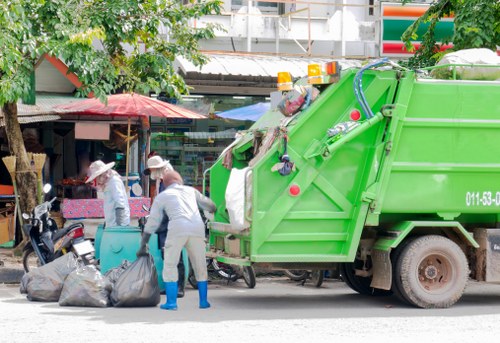 Personal Protective Equipment (PPE) and Training — Operatives must wear appropriate PPE: gloves, safety boots, high‑visibility clothing, eye protection and dust masks when required. Training comprises manual handling techniques, safe use of van tail lifts, secure load practices and fire safety awareness. Training records are kept up to date and refresher sessions scheduled. The company promotes a safety culture through toolbox talks and on‑site briefings.
Handling Hazardous Materials — The firm follows strict procedures for segregation, containment and disposal of hazardous items such as batteries, solvents, asbestos‑containing materials and electrical waste. Items suspected to contain hazardous constituents are isolated and labelled. Waste transfer notes and documentation are maintained for regulated waste streams and duty of care obligations.
Equipment, Vehicles and Site Security Safe use of vehicles, lifting equipment and powered tools is mandatory. Vehicles are inspected and maintained on a routine schedule to ensure load security and stable operation during rubbish removal tasks. Site security measures prevent unauthorised access and protect personnel from moving vehicles and falling objects. Always conduct a pre‑start equipment check.
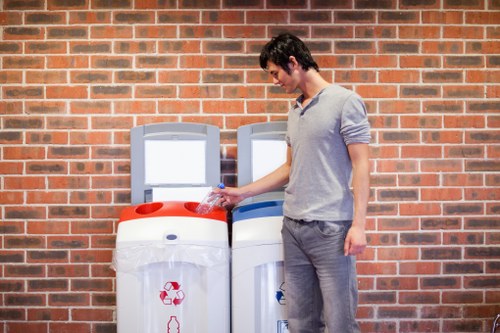
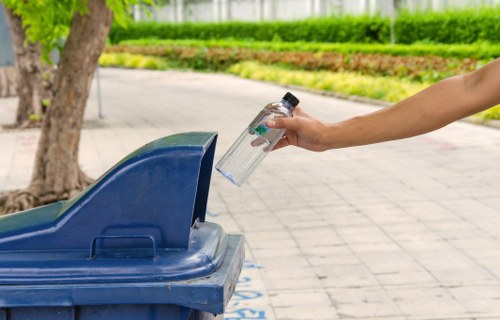 Environmental Controls — The policy promotes minimising landfill through reuse and recycling wherever practicable. Waste segregation at source, correct disposal routes and partnering with licensed recycling facilities form part of environmental best practice. Spill kits and containment plans are kept on vehicles for accidental releases to protect soil and waterways.
Emergency Procedures and Incident Reporting — Clear procedures exist for first aid, fire, spill response and major incidents. Staff must report all accidents and near misses immediately using the company reporting system. Incidents are investigated, corrective actions recorded and lessons shared to prevent recurrence. First aid equipment and trained responders are available on larger clearances.
 Inspections, Audits and Continuous Improvement Regular site inspections, vehicle checks and safety audits assess compliance with the policy. Non‑conformances trigger remedial actions and follow‑up verification. Performance indicators include incident rates, training completion and audit results. Management reviews the policy annually or after significant incidents to ensure continued relevance and effectiveness.
Record Keeping and Documentation Accurate records of risk assessments, waste transfer notes, training, equipment maintenance and incident reports are retained in accordance with statutory requirements. These records support accountability, demonstrate compliance with environmental obligations and provide the basis for ongoing improvement of the waste clearance service and house clearance operations.
Commitment — The company is committed to maintaining high standards of health and safety for all house clearance Croydon and rubbish removal activities carried out in the service area. All staff and contractors must read, understand and apply this policy. Regular review, staff engagement and adherence to these principles ensure safe, reliable and responsible rubbish company services across the operational area.